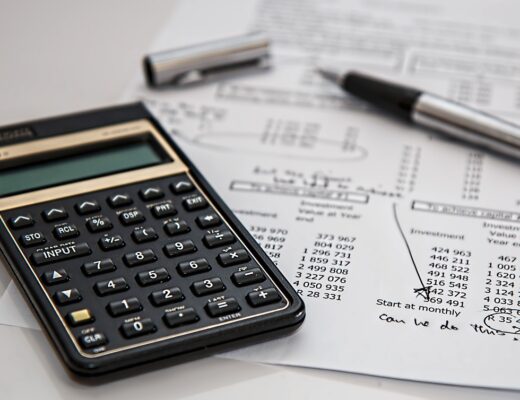
For many people in business, accounting is the least fun aspect of business ownership. It’s a task that can get endlessly put off, resulting in a haphazard and stressful working environment. Understanding just why accounting is so important can help you fight off the ‘do it tomorrow’ demons and get right down to managing your books.
 *This is a collaborative post. Image Source
 *This is a collaborative post.
 You’ll Make Smarter Decisions
Most business decisions have financial considerations at their heart. With a strong set of accounts, you can quickly identify your most profitable activities and customers or clients, preventing you from wasting time and money on unprofitable tasks. Good accounting can indicate where your pricing structure goes awry, or where you’re spending too much on supplies and equipment, or premises.
Your Budgeting Will Be Stronger
Without some sense of budget, no company will survive for long. Overspending or under-earning will slowly erode the viability of the business.
Because there is always a cost to doing business, learning accounting at a professional level can help you anticipate upcoming expenses, not just for tax liabilities but also for the upkeep of equipment, software, wages, and necessary business communication channels and advertising.
You Can Better Manage Cashflow
Cashflow bottlenecks can ruin a business fast. They can happen when big bills come in all at once, you get a few slow-paying (or non-paying) customers, there’s a temporary or seasonal slump in sales, or anything else happens that might interrupt the normal flow of money through your accounts.
Accurate bookkeeping can help you keep track of your assets and liabilities, give you a stronger grasp of your profit and loss ratios, and help you keep a balanced, healthy financial situation so you weather any leaner times.
You’ll Spot Problems
If you’re not constantly watching and monitoring your business accounts, you’re leaving yourself open to all sorts of small business problems. Theft and fraud, for instance, can be hard to detect but you’ll spot irregularities a lot faster if updating your accounts is part of a regular routine.
You Can Analyse Your Expenses
Even the simplest bookkeeping can keep you on track and let you see where money is going and coming from. With a basic set of figures, you can identify your spending patterns, reduce your outgoings if overheads are too high, and recognise which customers and activity types are the most profitable so you can focus more effort on those.
Taking an online accounting course would provide you with all the professional skills you need, giving you a more in-depth view of business finances, and arming you with even more powerful analysis tools.
Your Relationship with Your Bank will Improve
Any time you need to approach your bank or other lending institution for funds, you’ll need to produce an accurate set of accounting records, along with other documentation. Your accountant, if you use one, can help with this of course, but it also goes a long way if you’re able to demonstrate personal knowledge about your business finances and how they work. Getting to grips with your business accounts and keeping them up to date is not only a legal requirement but also a powerful tool that reveals the business’s strengths and weaknesses.
Knowing those, you’re in the best possible position to act, capitalising on the strengths and minimising the weaknesses.
*This is a collaborative post. This post has been pre-written.