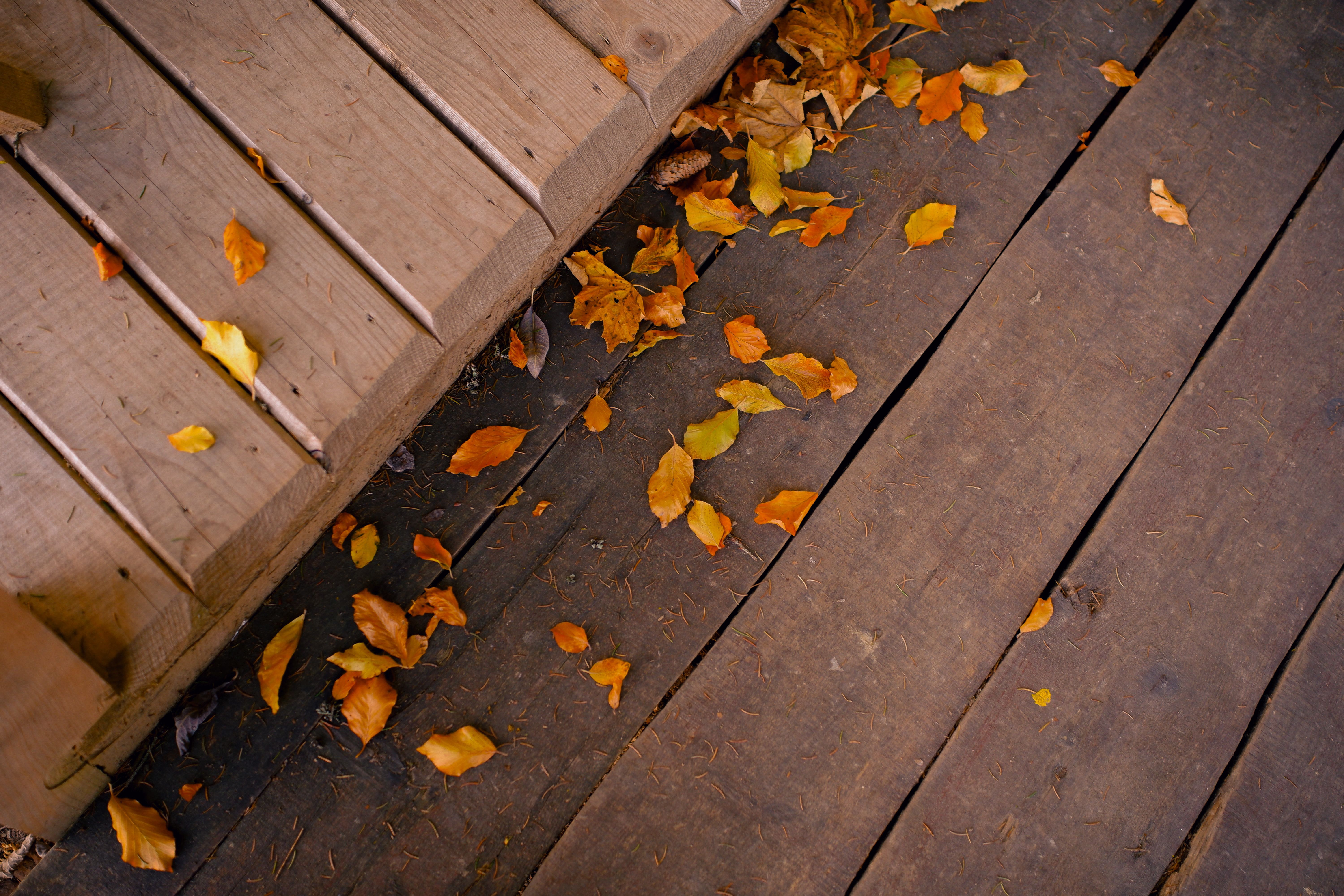
Winter exposes timber decking to moisture, frost, and temperature swings. Left unchecked, these conditions can accelerate surface wear and structural issues. However, a consistent maintenance routine each year, starting in early spring, can significantly extend the life of a deck and preserve its appearance.
 *This is a collaborative post. Image Source
 *This is a collaborative post.
 Seasonal Cleaning
Clean your decking thoroughly before you begin. Start by removing all leaves, debris, dirt, and other items that have accumulated since winter. Algae and mildew tend to form in locations where moisture lingers in shaded areas. To clean the algae and mildew off your decking, use a low-pressure, non-toxic, biodegradable deck cleaner with a stiff brush. High-pressure washers can cause the surface fibres of the wood to become lifted, creating an uneven texture.
Post-Winter Inspection Checklist
Once the deck is clean and dry, a methodical inspection is necessary. Check for:
- Cracks, splits, or raised grain in the boards
- Signs of mould, rot, or fungus at board ends or near fixings
- Nail or screw heads that have lifted or corroded
- Shifting or movement in the decking structure
Any of these could indicate moisture ingress or thermal stress. Take note of trouble areas before proceeding.
Protecting Edges and Board Ends
Timber boards have an increased likelihood to absorb moisture in the grain, edge, and end portions versus the face grain portion of the board. Following a cold winter, the most likely places you will notice damage on your deck are the ends and edges. Protecting the ends and edges from moisture absorption by applying a compatible end-grain preservative will help reduce moisture absorption and decay at these weak spots. For decks close to the ground, this is especially important, as reduced airflow increases moisture retention.
Hardware & Hidden Structure Check
Fixings and structural connectors should be examined next. Metal fasteners such as nails and screws that have been exposed to moisture over a long period of time will begin to rust and loosen. In most cases, this is due to incompatible materials being used at the time of installation. Stainless steel or coated nails and screws made for exterior use should replace corroded ones. Joists and supports should also be checked for movement and fungal growth.
Choosing suitable material from the outset will minimise problems of this type. Specialist timber for decking, when used in conjunction with durable connectors that are specifically rated for outdoor use, provides improved long-term performance. This is particularly true for decks built in exposed or shaded locations. Specialist timber suppliers typically have decking boards and connectors that are better suited to prevent cupping, splitting, and rot than general-purpose timber products.
If Boards Cup or Warp
Cupped or warped boards should be addressed promptly. If only slightly affected, boards may flatten out again in dry weather. Otherwise, you can try flipping the board or re-securing it with stronger fixings. In some cases, replacing affected boards is the most effective solution, especially if they show signs of rot or insect damage.
A reliable maintenance process, cleaning, inspecting, protecting, and checking materials, ensures decking stays structurally sound and visually consistent after winter. Preventative action at the start of the season reduces long-term issues and keeps outdoor spaces ready for use year after year.
*Disclaimer – This is a collaborative post.